
6. Giving meetings names
Translated from the French original.
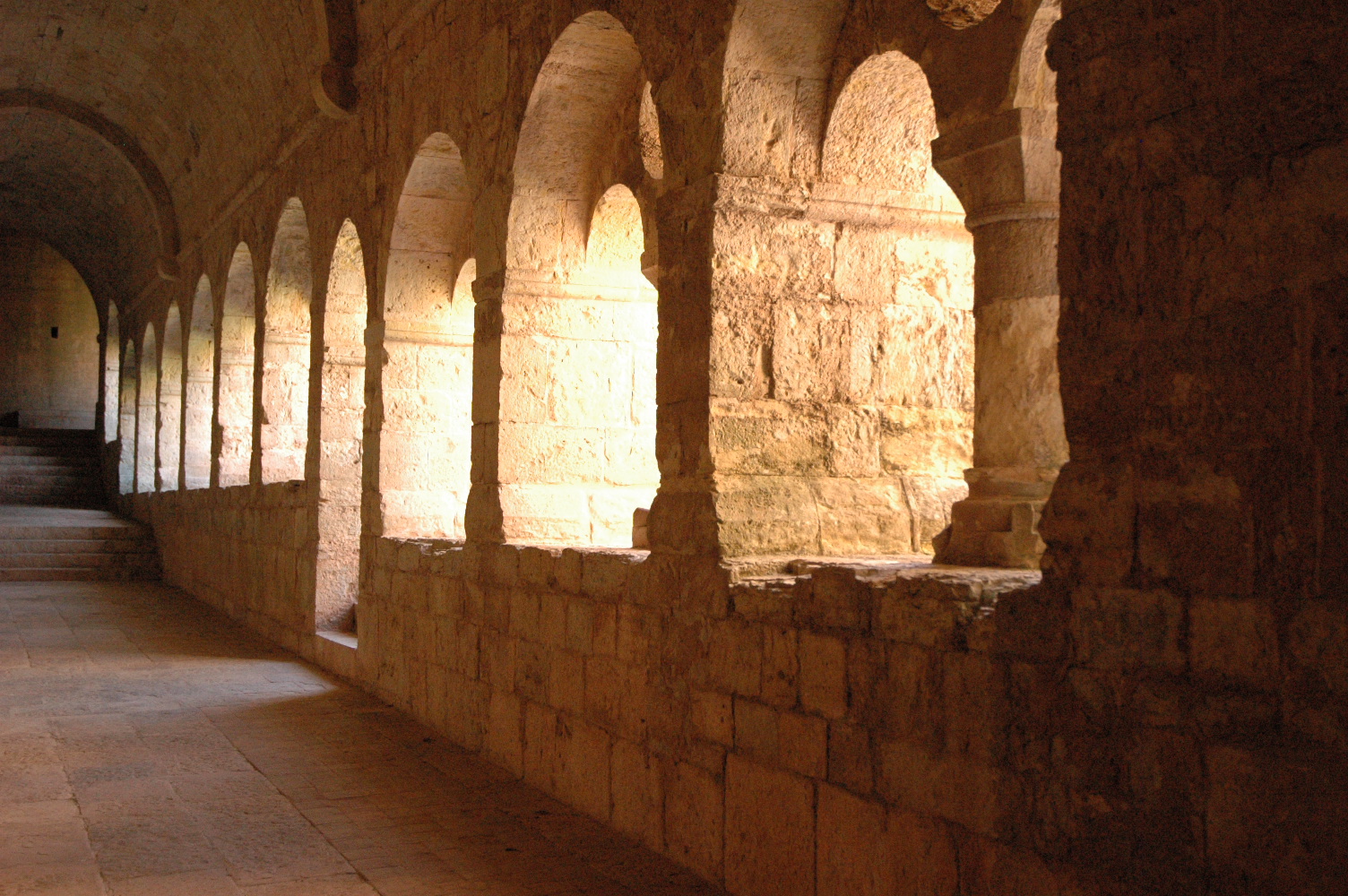 The Cistercian abbey of Le Thoronet – Var – the cloister
A few days ago, I had the pleasure of being invited to speak at the “Agile Nantes” event. I presented the three secrets of Reuniology.
While preparing my talk, I found myself wondering how the three secrets apply to the world of Agile.
And then I let my mind wander a little further, reflecting on the role meetings play in different organisational models: Agile, Holacracy, adaptive governance, lean management. Even further afield, in the army or indeed a monastery.
And I realised that all these organisations of proven effectiveness have one thing in common: they ritualise their meetings.
For example, to get everyone on board with the day’s activities
-
the “daily” in the Scrum method
-
the “stand up” in lean management
-
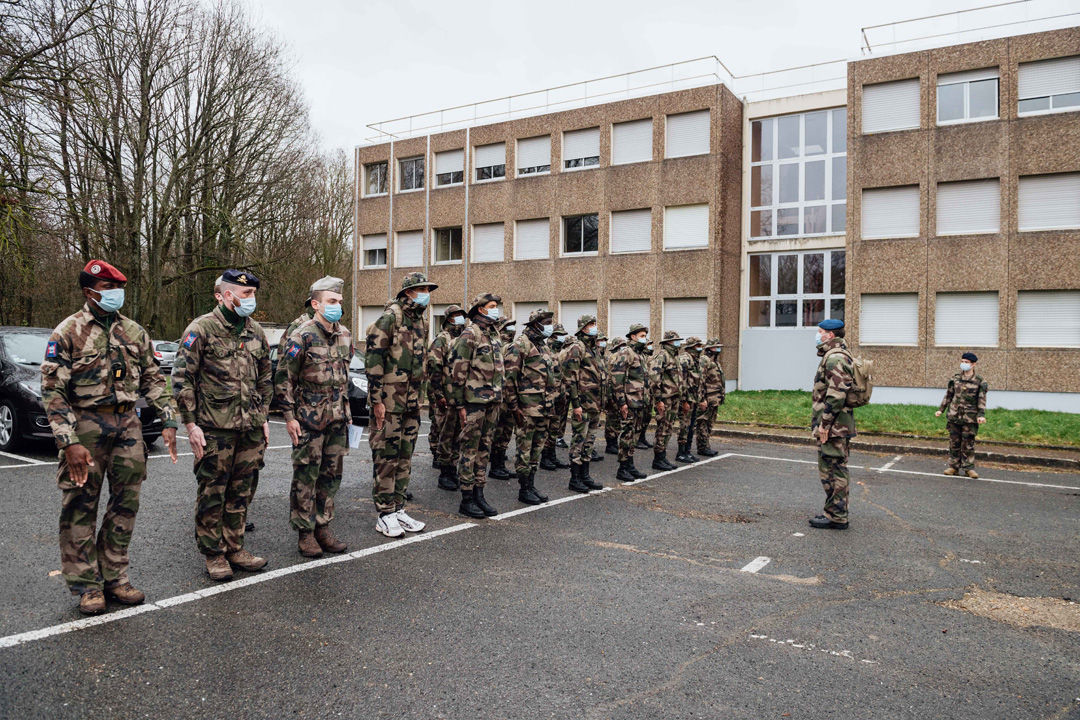
“assembly” in a regiment
-
“chapter” in a monastery.
I could mention plenty of other rituals: triage and governance meetings, the retrospective, (agile) gardening, the debriefing, the general chapter, …
Each of these rituals is defined with an objective, a casting, a running order, sometimes even a preparation process.
These rituals are decisive for the effectiveness and longevity of the organisation.
They provide a double certainty:
-
first, about what will happen during the ritual,
-
but also that every topic, every question has a forum where it can be raised.
If you are neither agile, nor a holacrat, nor a soldier, nor a monk, you can still take up the recommendation of Elise KEITH, author of the book “Where the Action Is”, which is to give a meaningful name to every forum in your organisation.
And your meetings? What do you call them?
International School of Reuniology
#reuniologie #meeting #louisvareille #ecoleinternationaledereuniologie #reunionite #reuniologue #reunion
If you’d like to receive the next posts in the 30-day challenge, do click through and sign up to the blog for free.